4 Asuna UNION RARE Winner Cards Later – SAO VOl. 2 Rare Battle Recap
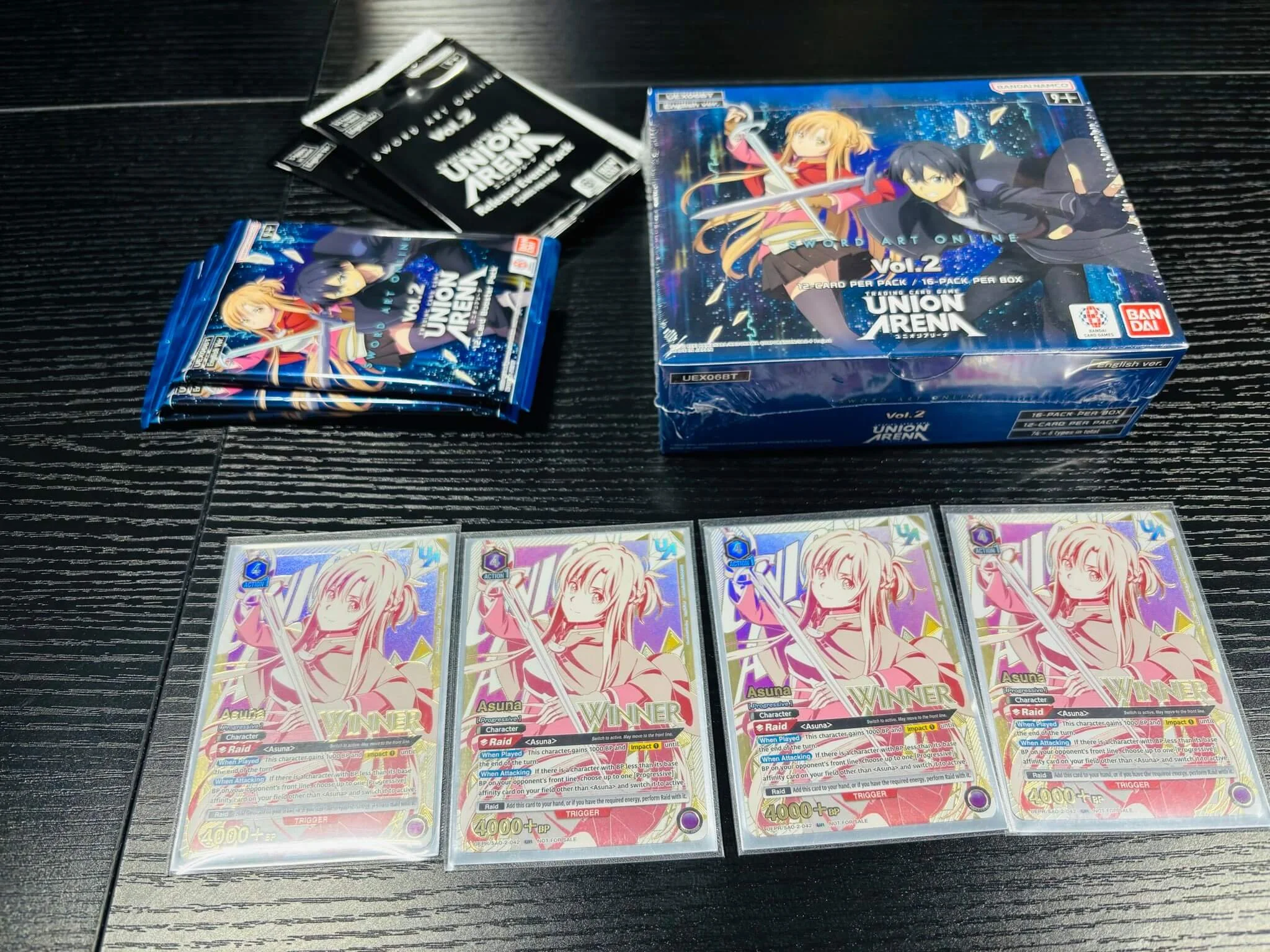
I’ve just had the most insane UNION ARENA Rare Battle season so far: last night I filled out my collection of four Asuna Rare Battle Winner cards for my beloved Purple Progressive deck. Below, I’m going to walk you through how this run went, the decks I used, and the fun of competing in SAO Vol. 2 Rare Battles!
Rare Battle one – second with Mother’s Rosario

2nd place Mother’s Rosario deck by JWA
I was incredibly stoked ahead of the Sword Art Online Vol. 2 Rare Battles which started in my area on Saturday March 14, 2026. In celebration of SAO Vol. 2 in general, I was rewatching the entire anime and films, and at this exact moment in time I was on arguably my favorite arc from the series (although there are so many good ones it’s tough to call) – Mother’s Rosario. Simultaneously I was also reading the Mother’s Rosary light novel for the first time. So my head was pretty deep into the whole Mother’s Rosario drama, making me want to pilot the deck to victory.
Despite having much more visible success with another SAO deck called Progressive, I thought Rosario could be a very solid pick for the Rare Battle format. While I was very happy to land in second place to secure my first Asuna UNION ARENA Rare, I wasn’t ultimately super happy with how this version of Mother’s Rosario fared into the strongest deck in the format: GGO.
I lost in the final round of the tournament against a friend who was piloting the below GGO deck to first place.
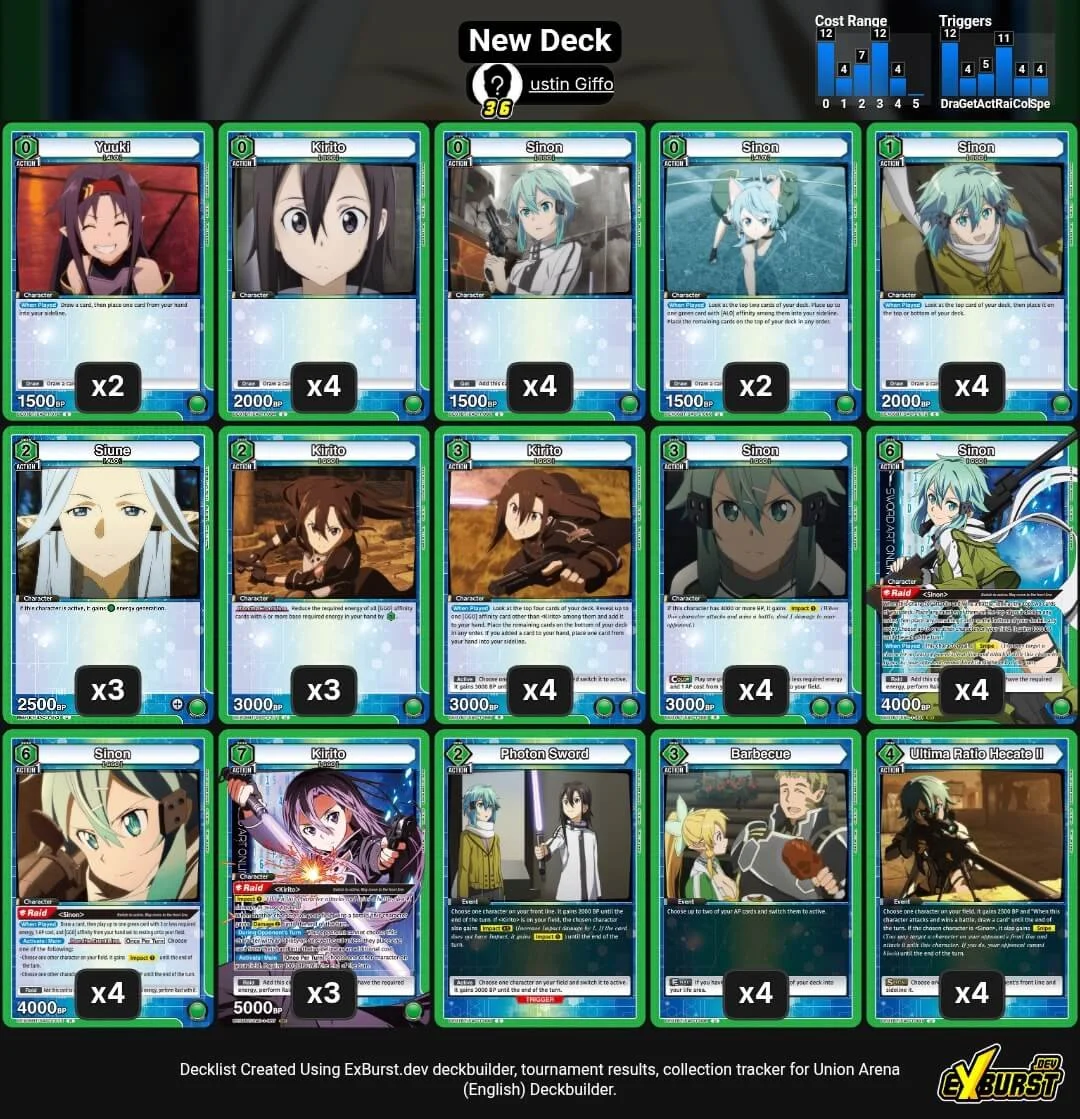
1st place GGO deck by Epcw91
My original Mother’s Rosario build folded under the constant pressure from GGO, and had trouble swinging through early game defenders like the two-cost Kirito. Despite having originally thought I might pilot Mother’s Rosario for the duration of the Rare Battle season, I decided to shelve the deck for the time being.
Rare Battle two – first with Progressive
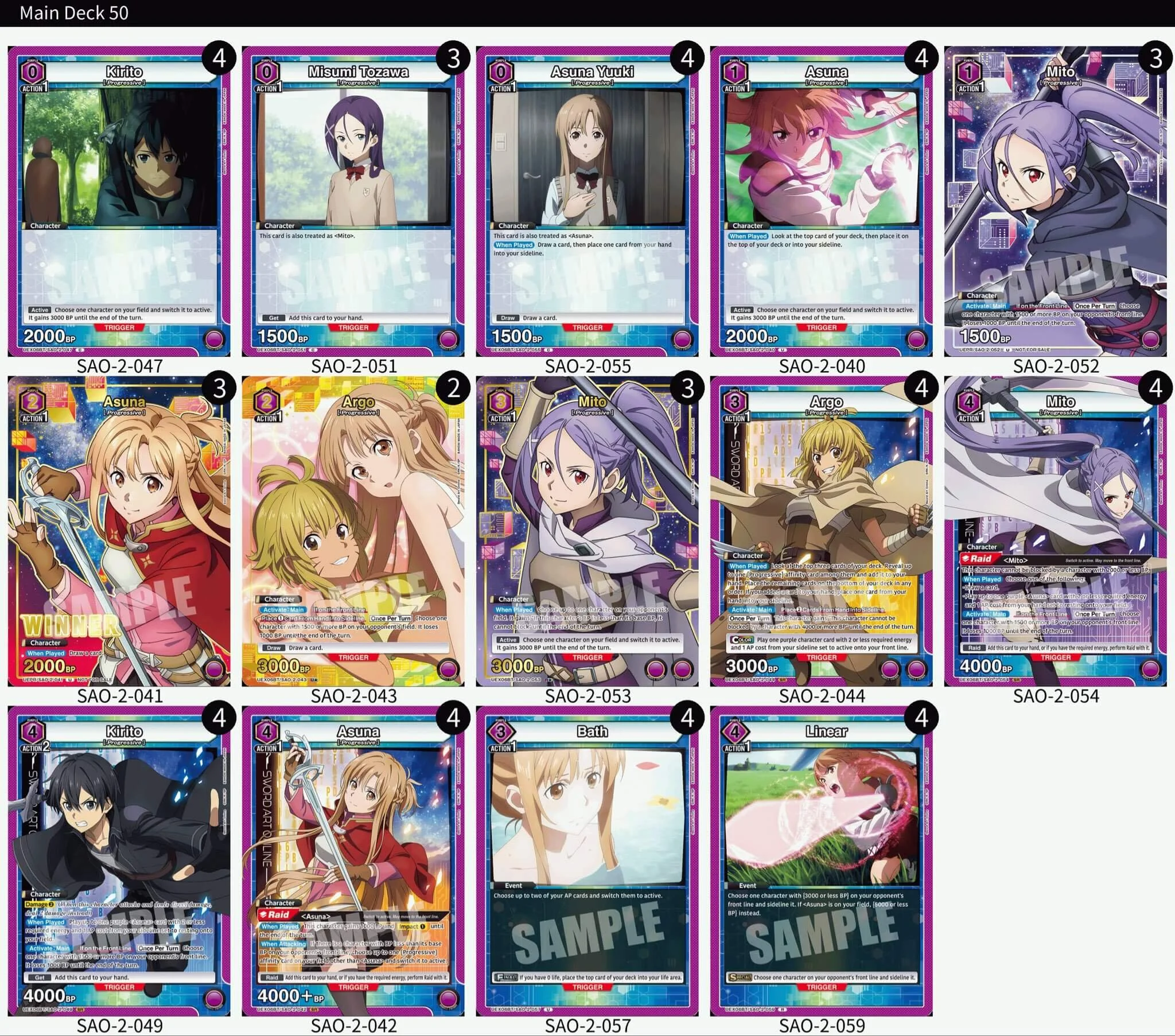
For my second Rare Battle, I broke out the big guns: Purple Progressive. This is essentially the same list I ran in Vegas for 23rd in the LCQ and 49th in the Finals – only with one important change. Instead of running the Pendant of Aniorite, I went with the two-cost Argo. The idea here was that because GGO isn’t impeded by the Pendant which only protects from abilities, running a card like Argo would give me more pushing power to beat the control-heavy GGO deck to the punch.
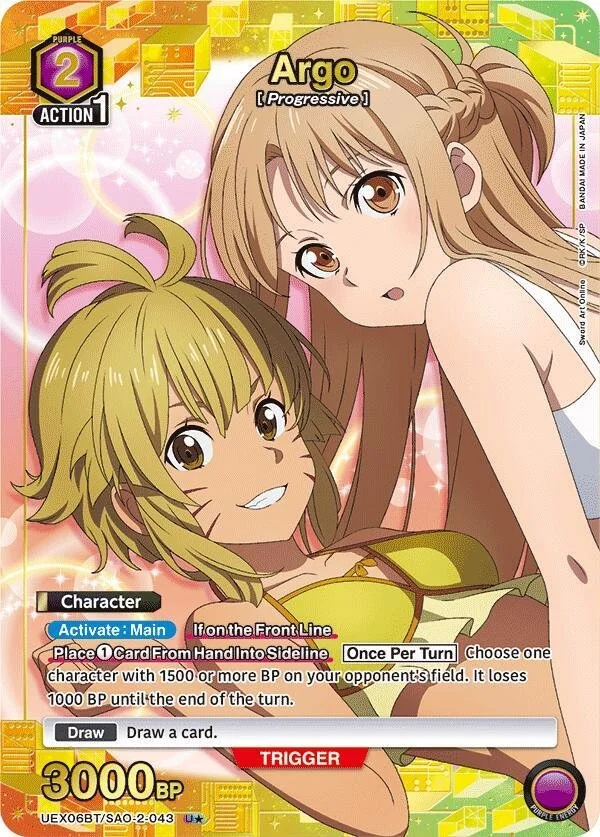
I don’t know if Argo ended up making a huge difference in this Rare Battle, but my comfort and familiarity with Progressive certainly helped me edge out the competition (and two Purple Mirrors and a GGO matchup in the final round) to secure me my first Asuna Winner card.
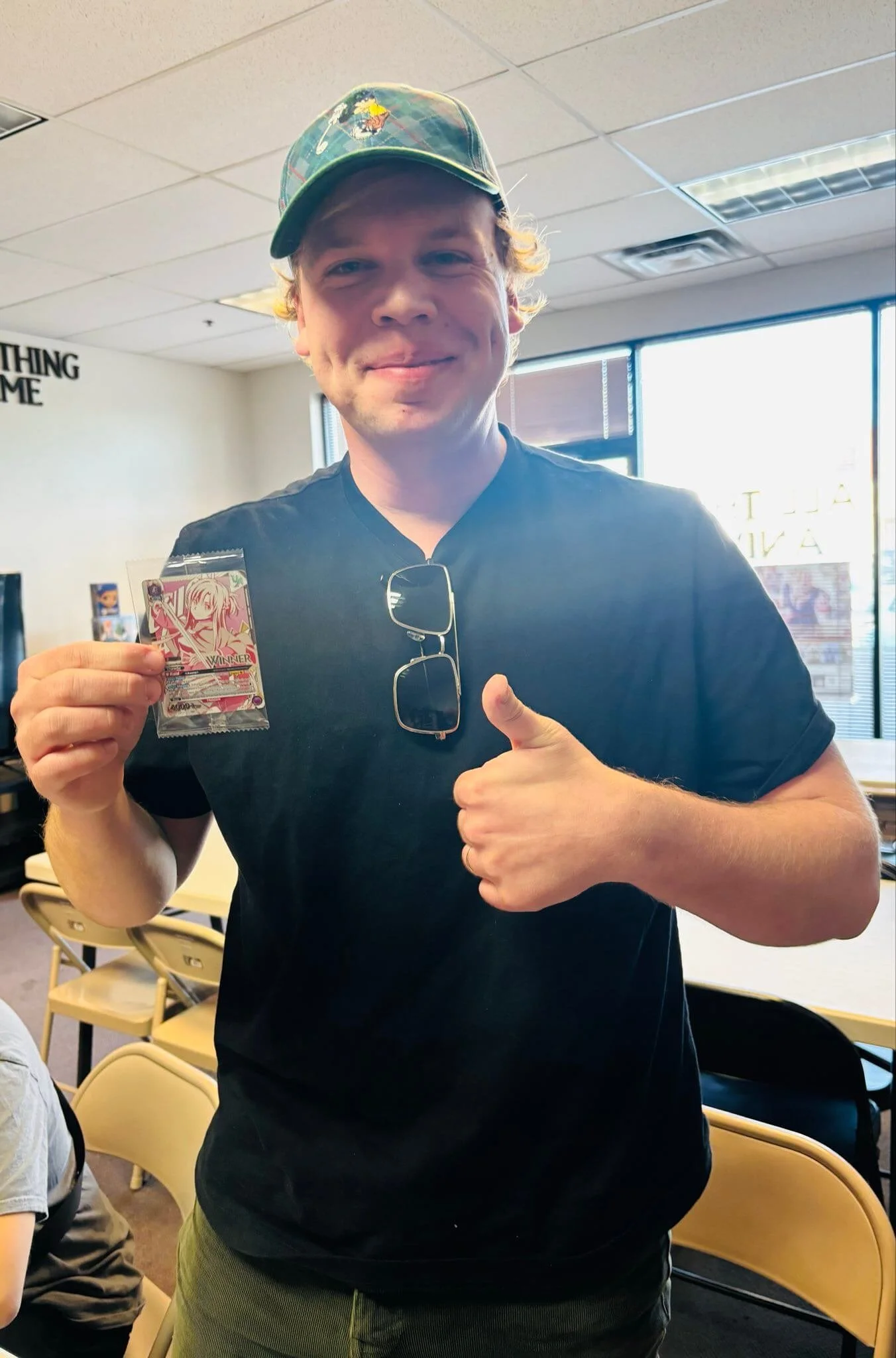
Up until this point in the journey, I was really hoping to get at least four top four Asuna UNION RARE cards. I did not have my sights set on a play set of Asuna Winner cards as achieving something like that in a very limited timeframe with limited tournaments to attend felt very, very difficult. However, with one Asuna Winner and one top 4 already under my belt, completing the top 4 play set felt very within reach.
Rare Battle three & four – second and first with Progressive
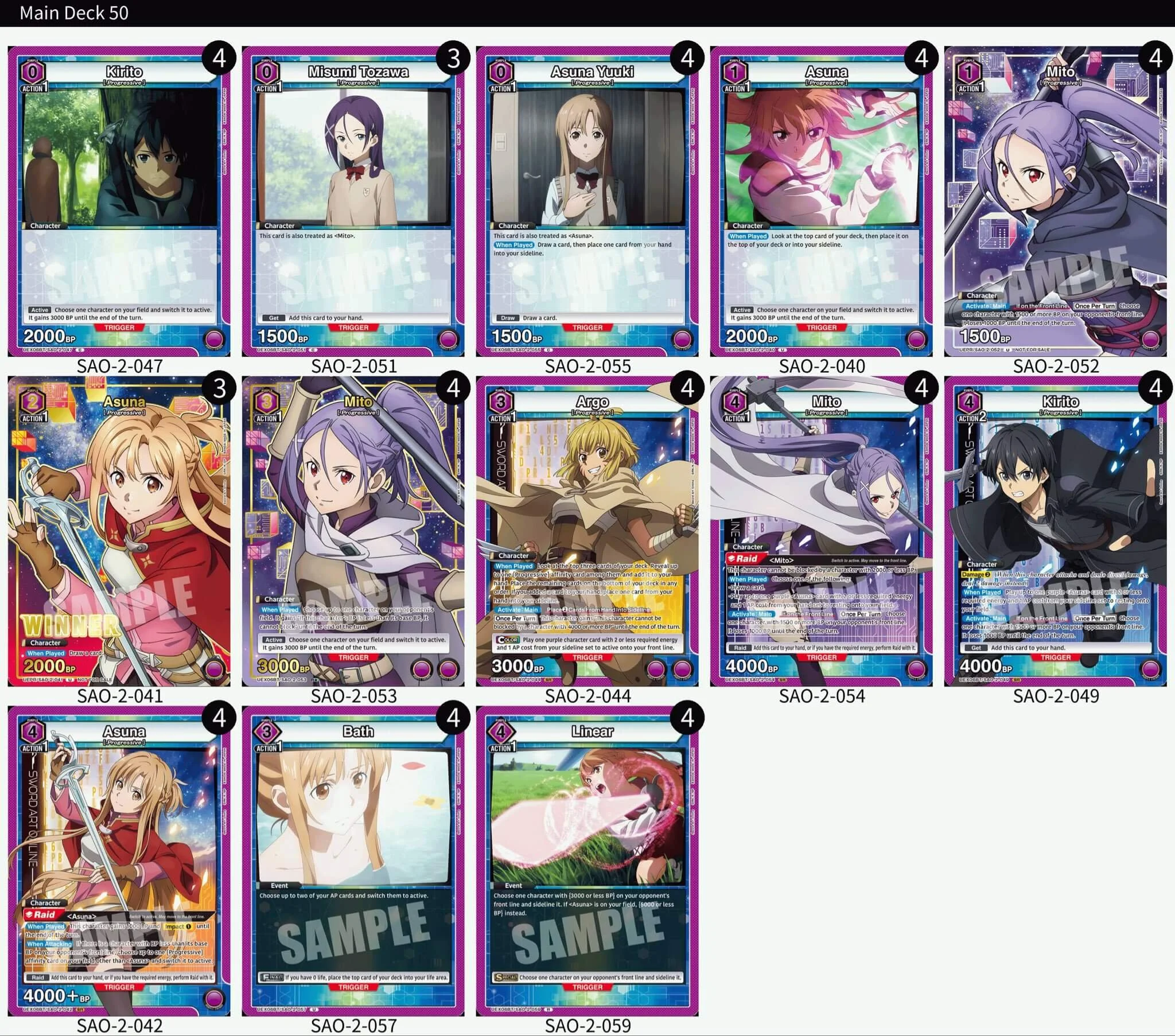
Following my success with Progressive into the Rare Battle format, I slightly altered the deck (replacing the Argo with two Mito one-cost characters that achieve largely the same thing without the discard cost) and made second and then first at the next two Rare Battles. Rare Battle one was a very close contest, with a win against Progressive, a clutch victory against GGO, and then a narrow loss into a unique Aincrad/Ingot deck that moved faster and luckily removed my only two Asuna characters.
The second was a pretty decisive victory into three rounds. First was against my own, slightly altered Mother’s Rosario deck that I let a friend borrow: something which led him to his own top four finish (he traded me his Rare Battle prize for a Solo Leveling pull). Second was a rematch against the same GGO deck I had lost to a week prior. I won this battle in an all-out rush that left little room for my opponent to work.
Finally, in round three I faced down yet another GGO deck.
At Vegas, GGO was a huge problem for me. By now, I’ve learned a few things about how to deal with GGO to help even the matchup. The most important thing to do into GGO when playing Progressive is to make the most out of your characters. Because GGO excels at removal, you won’t get a second chance and your characters won’t stick around for long.
Instead of pushing up aggressively with single characters early, I instead made the tough choice to hold off on my strongest plays (something which is a risk against the much more control-oriented GGO deck) to make sure I had the pieces to get several strong, combo-heavy turns off.
Instead of raiding up with a Mito or an Asuna and risking them being Sniped, I held onto them to play them both in the same turn. Still, in the end I narrowly won via an Argo/Asuna restand combo that my opponent couldn’t block, closing out the game.
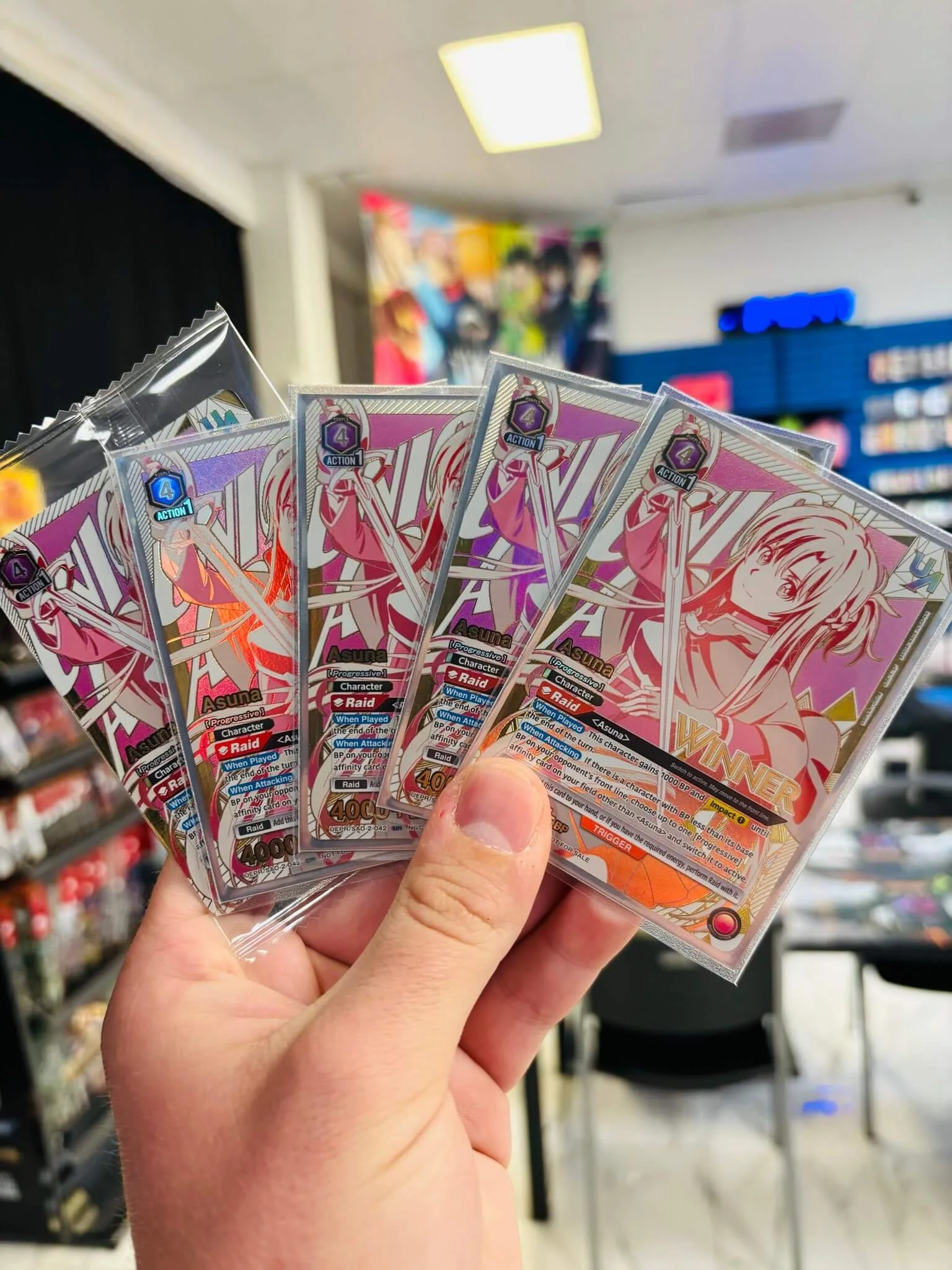
With now four second place or better finishes at Rare Battles in just a week (plus the top 4 from my Rosario deck piloted by a friend), I was sitting at four Asuna UNION RARE cards in total, with two Winner cards. Suddenly, winning a play set of four Asuna Winner cards felt a little more realistic.
Rare Battle five – Song and Dance
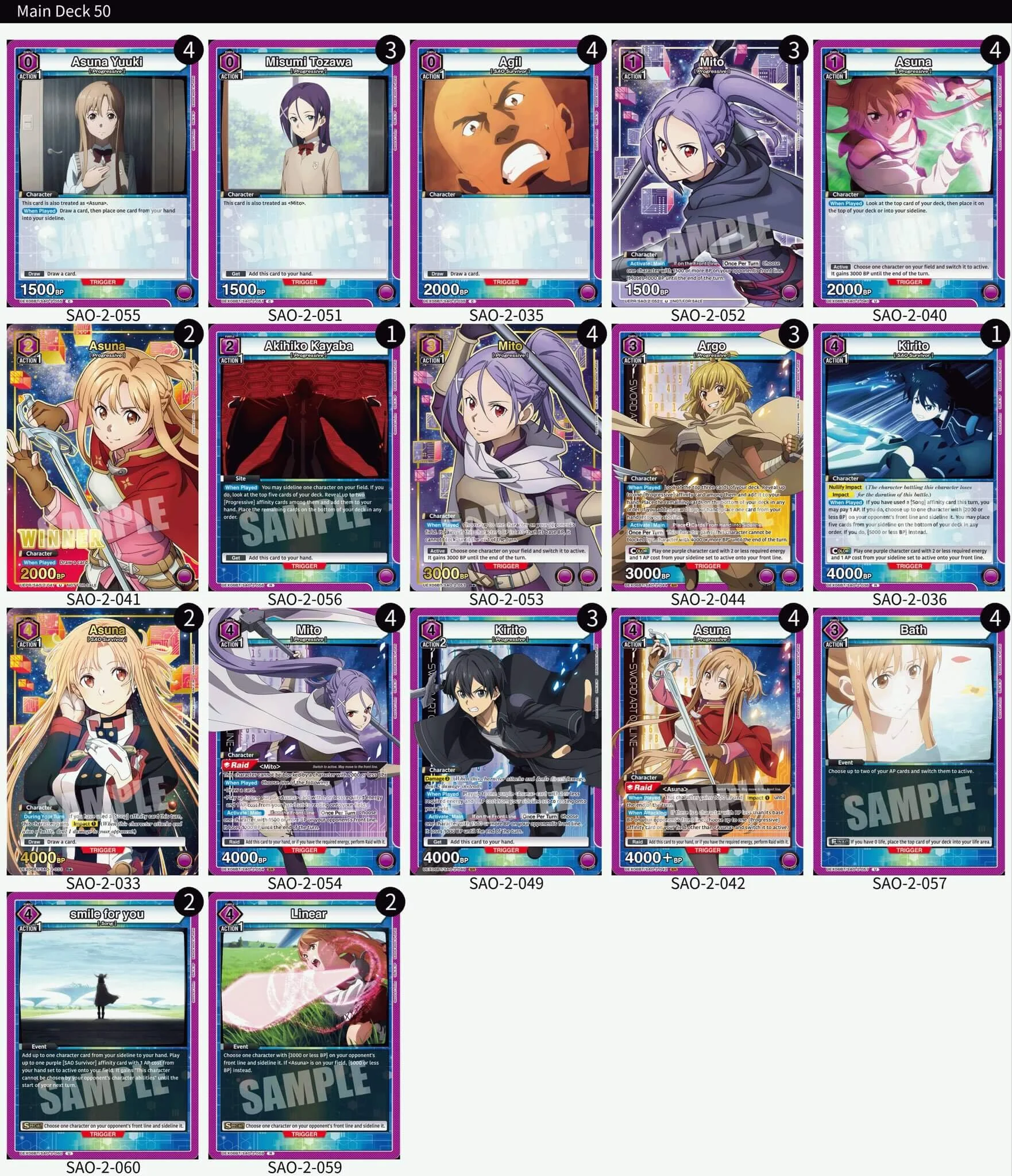
Almost a week passed between Rare Battle four and five, giving me plenty of time to rethink my approach to Progressive as well as to address some of the weaknesses that had led to my only loss within the Rare Battle format while piloting the deck so far.
The chief issue I couldn’t ignore – and one that had persisted in my main losses with the deck ever since Vegas – was a heavy realiance on a single character: the Asuna Raid. Progressive lives and dies by Asuna. However, that’s a huge liablity given she can relatively easily be removed or even just be at the bottom of your deck when you need her most.
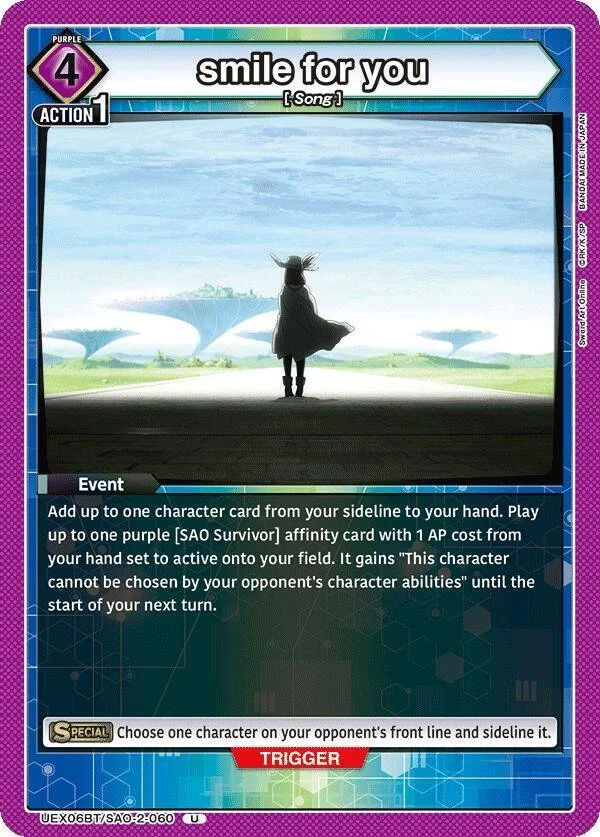
I came up with the idea to tech in smile for you to the deck as a way to return Asuna to the hand after she is removed. Essentially, smile for you has the benefit of acting as another Raid Asuna. Combine this with a few teched-in SAO Survivors and you can even get free plays from the deck.
I tested my idea and refined the list through several intense, late-night testing sessions (including one that lasted until two in the morning the night before my fifth Rare Battle). With my list solidified and testing results reaching satisfaction, I decided to sleeve up the hybrid and take it to Rare Battle number five!
The risk paid off and I secured my third Asuna Winner, conquering Purple Progressive and GGO once again. The deck felt even stronger than my original, straight Progressive build, and I wrote the guide and entitled the deck “Song and Dance” for its combo of both Song and Progressive (where sword battles are often referenced as dances in the anime) elements.
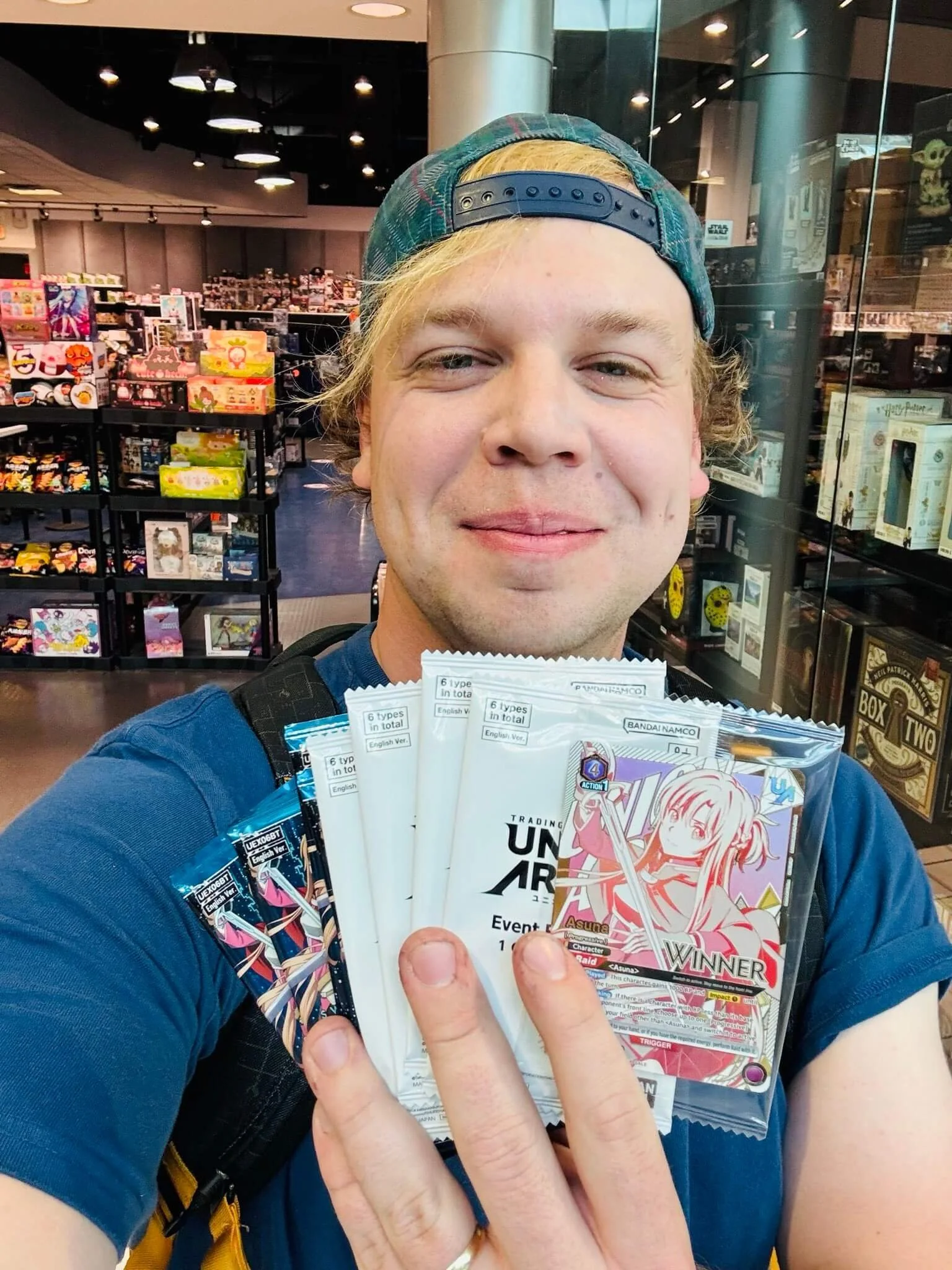
The toughest thing about this Rare Battle might have been just getting to it. My bike broke down along the way, causing me to almost be too late. After ditching my bike at a nearby park and catching an Uber, I got there just in time. You can’t let minor obstacles slow you down!
Rare Battle six – Mother’s Rosario with Lightsabers
After my third Rare Battle win, I felt the pressure of completing a Winner set for the first time. Although I’ve won plenty of play sets of store tournament promos before, that’s comparatively easy to do. After all, store tournament promos run for three months, giving you a lot of time to complete a play set (or more, in my case). Rare Battles are finite, so the best I’d ever done was to win two Rare Battle Winner cards from a single series. Could I really complete an entire play set of Winners?
Given my love of SAO, now felt like the perfect time to do it. However, I essentially had proven Progressive in this format by now. In honor of Yuuki’s passing (which occurs around Easter in the story, eerily on March 29th right around the same time as my final Rare Battles), I wanted to give Mother’s Rosario one more chance for a win.
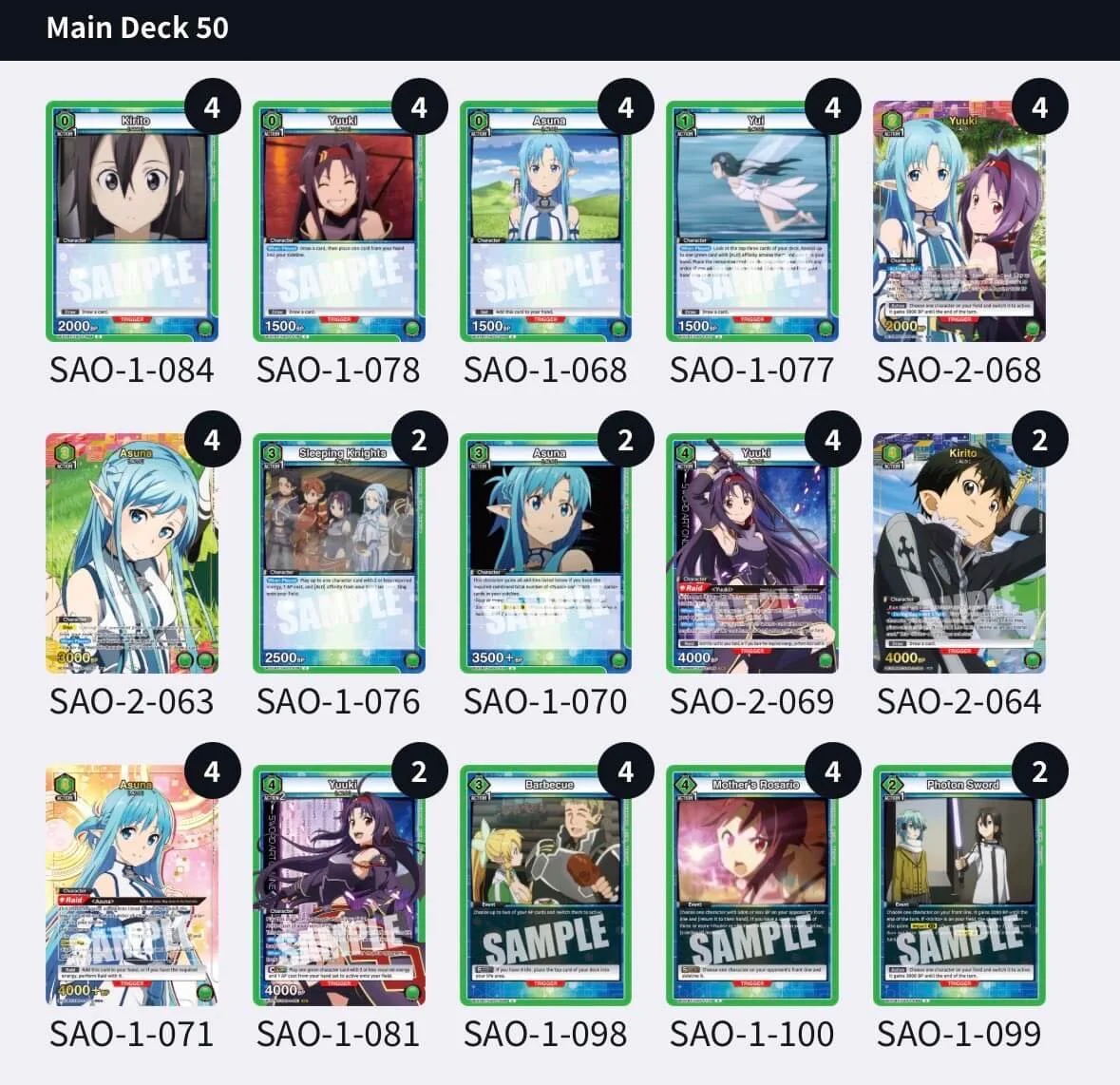
Abandoning my original build which felt good but not great, I tested a new concept. After many, many more iterations than I care to admit and so much testing that I was almost too fatigued to compete when combined with all the other stuff I’m up to (like running a successful website), I ended up on a new Mother’s Rosario concept that incorporated Kirito and the powerful Photon Sword card.
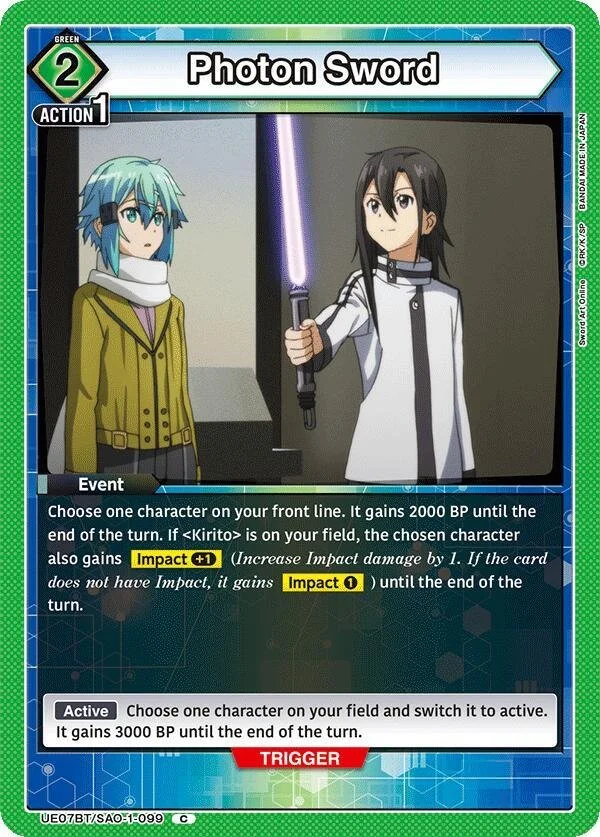
Photon Sword is a card typically only seen in GGO decks. In Mother’s Rosario, you can use it to buff your Asuna Raid into a Damage 2 Impact attacker. To do this, you’ll need Kirito on the field.
That’s actually not a big deal as running many Kirito characters in Mother’s Rosario fills some voids that deck faces, like a strong low-cost attacker. Meanwhile, four-cost ALO Kirito adds a layer of protection against Asuna – something which is nasty into decks like Progressive that love to target your characters with multiple effects in a turn.
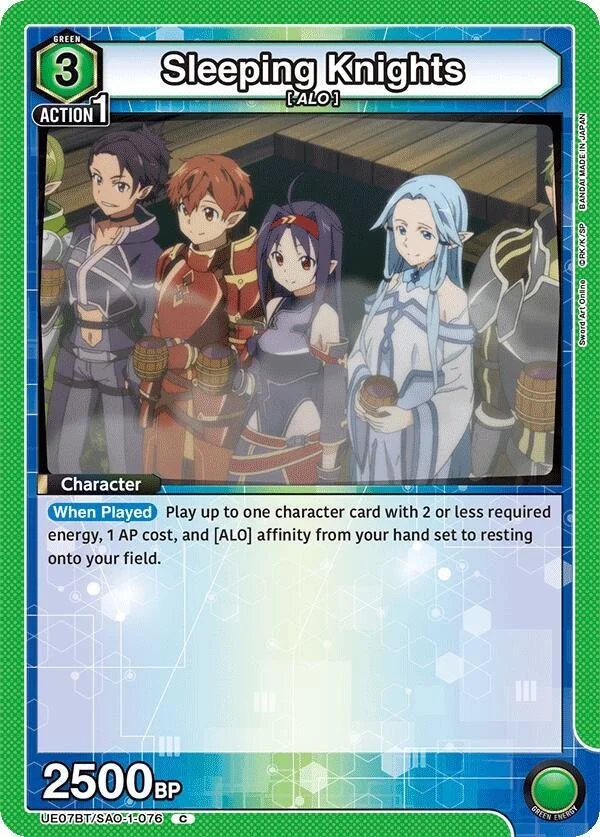
The other big change was to include Sleeping Knights in the deck – a card which lets you accelerate your board presence. This makes the trade-off from your powerful Raid Yuuki card feel much less costly. Even if you lose one character on the front line and don’t have an Asuna in hand, keeping the board presence you gained from Sleeping Knights essentially makes up for that loss.
In the end, I went undefeated against three different Progressive decks – including a final round against a fan of my work who was running my own Purple Progressive deck build! It was an epic final battle that came down to the difference of a single card in life. But after a powerful removal turn, I closed out the win and secured Asuna number four.
As the tournament was both a Rare Battle and a box tournament, I ended up getting a ton of prizes from which I pulled this insanely gorgeous Kirito SR**.
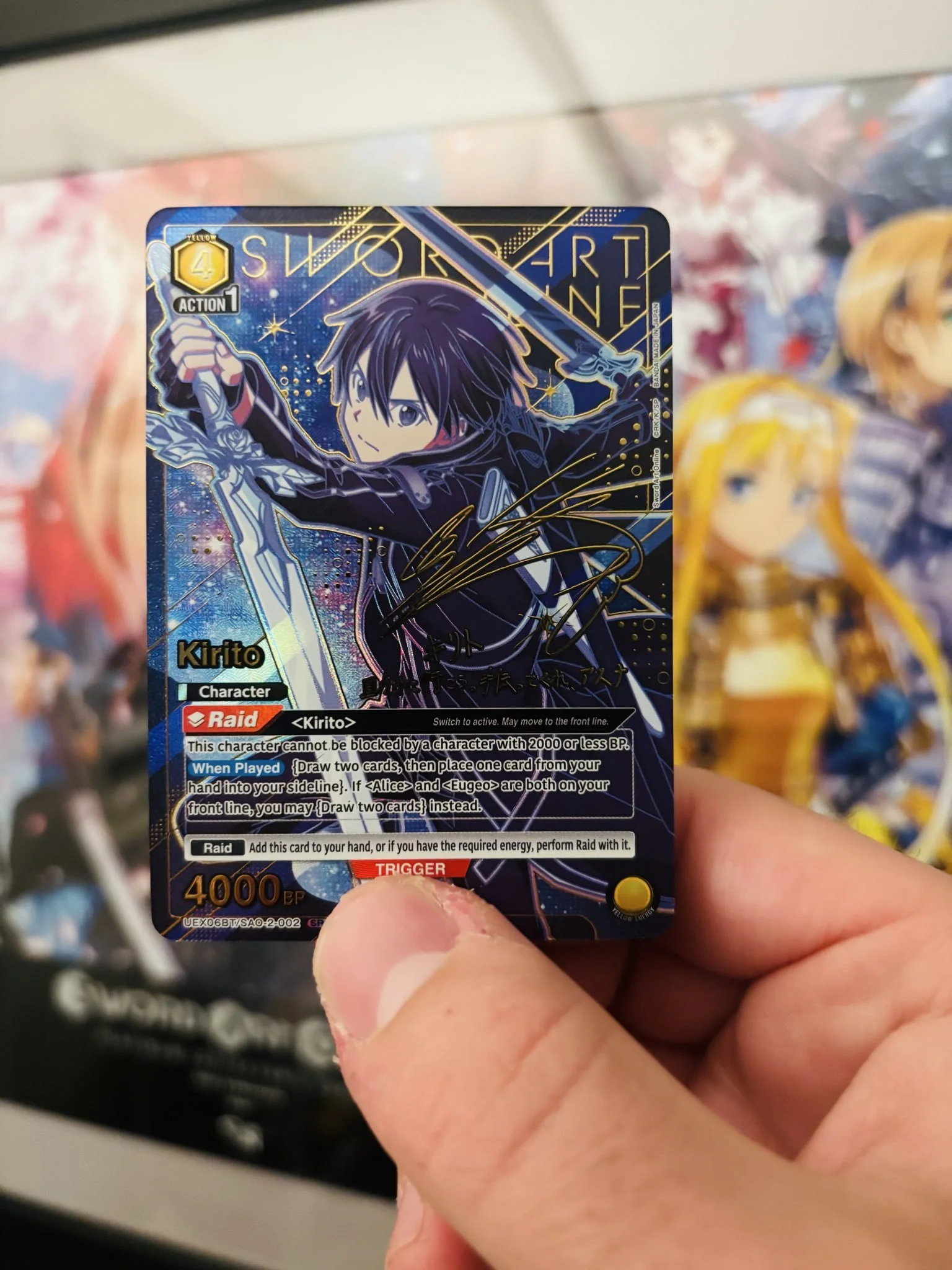
The end of SAO Vol. 2 Rare Battle season is bittersweet. It’s been by far my favorite Rare Battle format to date, and I did insanely well. After six tournaments, I topped every single one, never finished in less than second place, and won four of them. It’s an insane run that shows what can happen when you look to deeply understand a format, the decks within it, and take risks both in-game as well as with unique builds you’ve not tried before.